Skip to content
Synthetic Neurobiology Group
About
Equity
Mentorship
Projects
People
Alumni
Publications
Resources
News
Search
Projects
Home
|
Projects
Tools for mapping brain computations
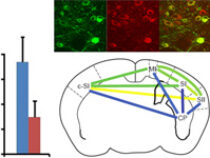
Tools for mapping the molecular architecture and wiring of the
brain
Tools for recording high-speed brain
dynamics
Tools for controlling brain computations
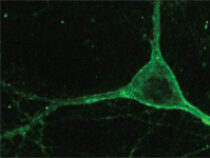
Optogenetics: molecules enabling neural control by
light
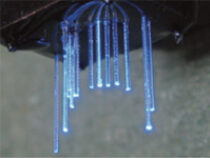
Optogenetics: hardware enabling neural control by
light
Understanding and repairing brain computations
Understanding normal and pathological brain
computations
Prototype strategies for diagnosing and treating brain
disorders
Understanding, synthesizing, and repairing other complex systems
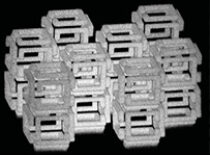
Technologies for creating and repairing complex
systems